

How to Model Offtake Contracts and Subsidies for Co-located Renewable Projects

How Do You Accurately Model Offtake Contracts for Co-located Renewables?
Co-located battery and renewable projects come in all shapes and sizes. The economic fundamentals of these projects look significantly different depending on whether you are retrofitting an existing asset or starting afresh with a greenfield site.
For retrofit projects, developers are often adding a new battery to a solar or wind asset that operates under an existing Power Purchase Agreement (PPA) or subsidy regime. This strategy allows developers to take advantage of an existing grid connection or mitigate the increasing impact of negatively priced hours on overall revenues. Greenfield projects, on the other hand, start with a blank slate, leveraging the specific advantages that multi-technology sites can provide.
In every case, accurately modelling energy flows aligned with these existing or proposed contracts is essential for reliable cashflow projections and optimal investment decisions.
Navigating Existing Subsidies in Retrofit Projects
It is highly likely that an existing solar or wind asset will have a pre-existing offtake agreement. These agreements often take the form of government subsidies, such as the Contract for Difference (CfD) scheme in the GB market or the EEG in Germany.
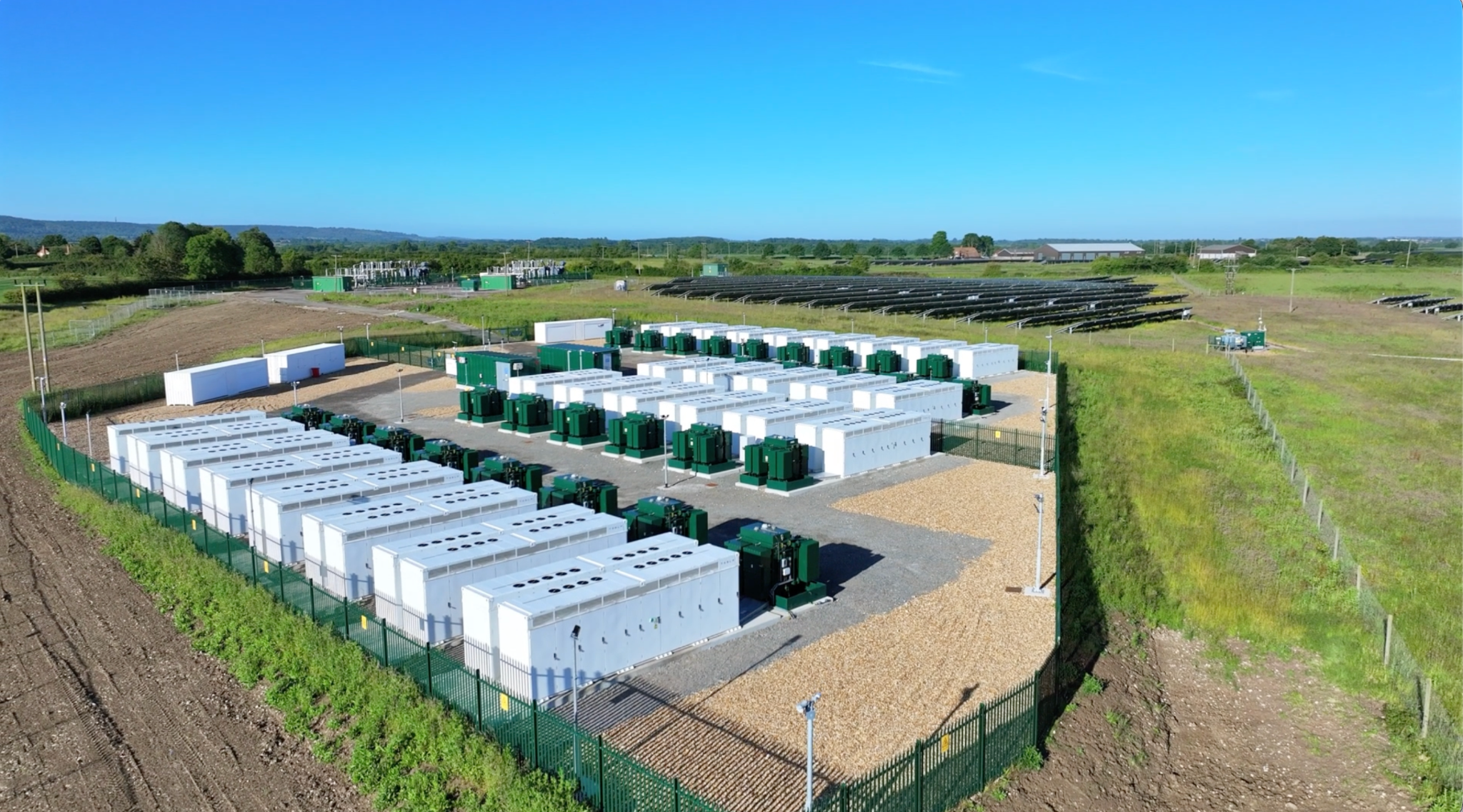
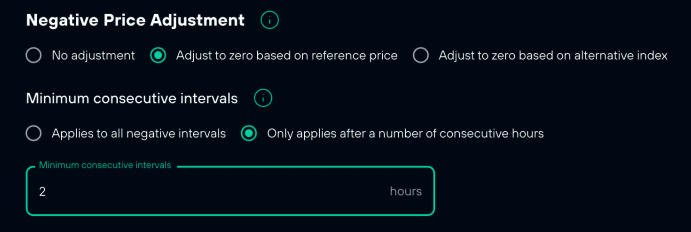
While there are fundamental differences in how these two contract types are settled, they share common risks. Depending on when they were awarded, both typically feature a strike price that "knocks out" during periods of negative wholesale reference prices. Sometimes this happens after a single interval, while in other cases, it requires a certain number of subsequent negative price intervals before the subsidy pauses.
The Impact of PPAs and Volume Tolerance
Alternatively, the existing setup might be a traditional PPA. A common structure is a pay-as-produced PPA, where the generator is paid for every megawatt-hour exported to the grid.
These pay-as-produced contracts typically include a volume tolerance clause. If a battery is retrofitted to the site, the renewable generation asset must be given the first right of way over the grid connection. Furthermore, with the growing prevalence of negative wholesale pricing, newer PPAs increasingly feature their own knockout clauses tied to negative power prices. These contract provisions have a material impact on project revenues and must be accurately reflected in your modelling.
Testing Commercial Options for Greenfield Sites
For a greenfield site, the project design phase requires a different approach. Because you are not bound by legacy agreements, you need to test various offtake structures for the complete site to see what yields the best return.

These offtake structures will vary depending on the asset owner's risk appetite and willingness to accept merchant exposure. Typical commercial options include:
- Revenue floors
- Tolling agreements
- Baseload or peakload PPAs
- Full merchant co-optimisation
Modelling Co-location Scenarios with Gridcog
There is no universal rule of thumb for co-located projects. The market is evolving rapidly, and we are seeing a wide variety of commercial models being adopted.
At Gridcog, it is easy to reflect complex contractual realities. Users can define strike prices and market reference prices, even when these are not direct wholesale prices, such as the Market Value Solar in Germany. You can also model negative price adjustment clauses, including setting the exact minimum number of negative price intervals required before a contract knocks out.

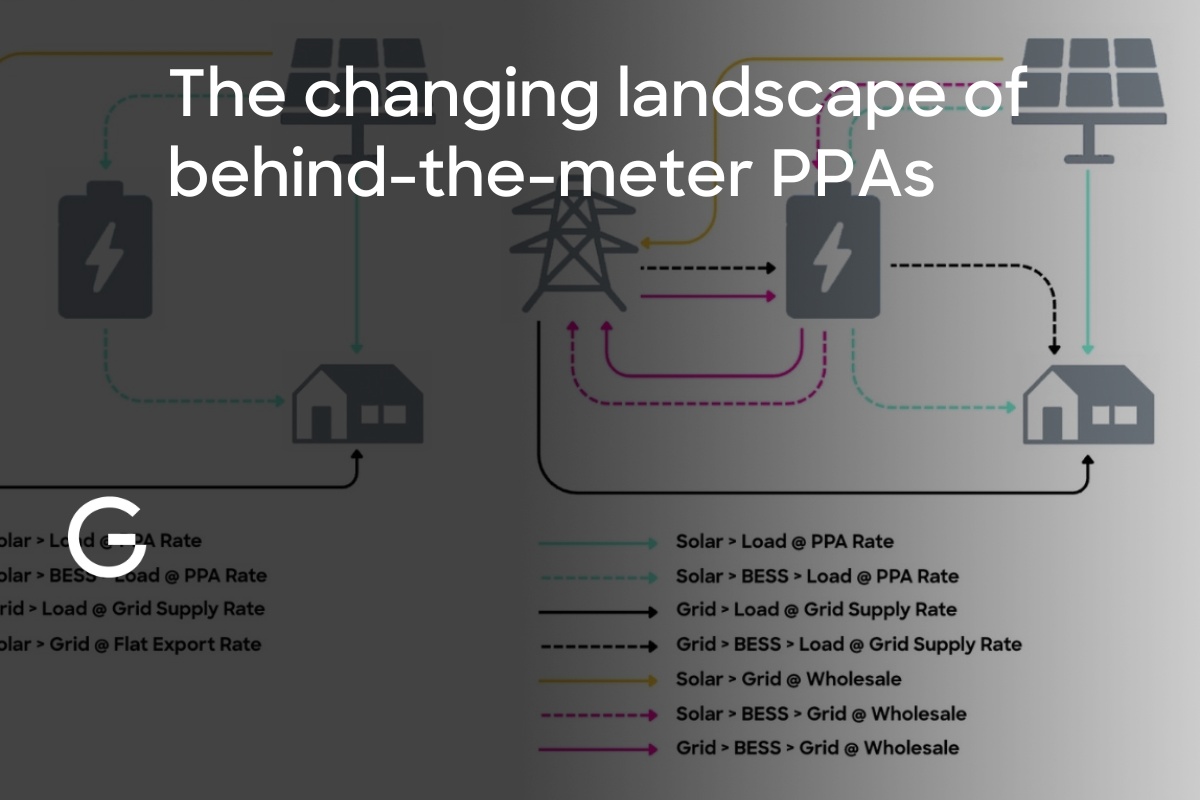
Consider an example solar site in Canterbury looking to add a battery. The site has a PPA with a strike price of £65/MWh, knocks out during negative prices, earns REGOs, and pays for its PPA balancing costs.
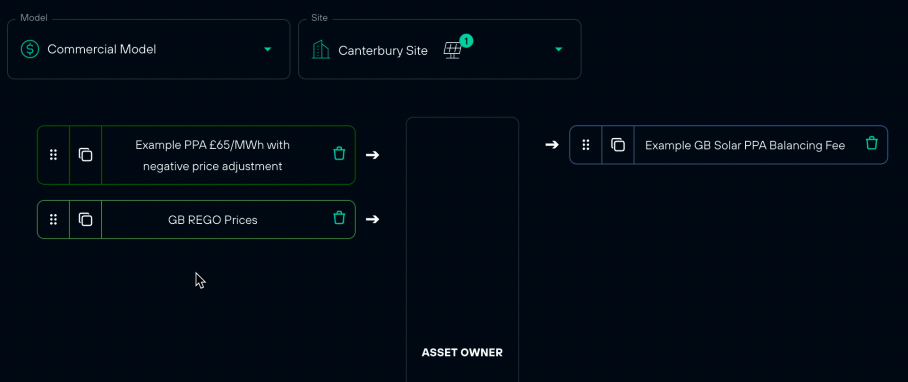
Once these parameters are configured, the software runs the co-location scenario.
This capability allows you to:
- Test different battery sizes for the co-located site.
- Evaluate the financial metrics associated with each configuration.
- Compare multiple offtake options for greenfield developments.
All results are based on transparent energy flows and cashflow data, ensuring that the existing commercial arrangements for the renewable asset are fully respected.
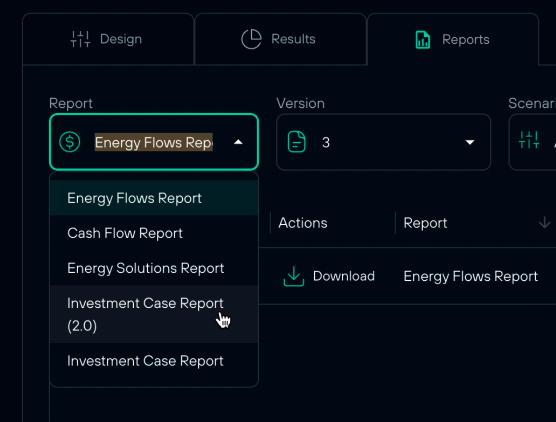
If you would like to find out more about how Gridcog can help you accurately model your commercial options, reach out to the team to discuss.



.jpg)

