

How Prosolia Energy became 10x faster at modelling utility-scale battery & PV projects with Gridcog
%20Large.jpeg)
How Prosolia Energy Models Utility-scale PV and Battery Projects
Prosolia Energy is accelerating the design of utility-scale PV and battery projects by using advanced modelling tools to optimise hybrid renewable energy systems in complex markets.
Explore how Prosolia Energy, a leading international Independent Power Producer (IPP), is using Gridcog to model and optimise the design of their utility-scale PV and battery projects, increasing confidence in complex project modelling, giving their team clear ownership of the analysis, and accelerating the speed at which they test and compare scenarios, completing work at least ten times faster than before.
Marc Kleindienst, Energy Solutions Engineer at Prosolia Energy, explains that the company’s focus goes beyond simply building assets. “We combine technical and financial insights to understand how batteries interact with different markets and regulations,” he says. “It’s not just about making a system work; it’s about making it profitable and strategically sound.”

The Challenge of Grid-Constrained Markets in Spain and Portugal
Prosolia Energy operates across Spain, Portugal, France, Italy, Germany and Mexico with projects ranging from utility-scale PV plants to hybrid systems for commercial and industrial clients.
Marc highlights the challenges in Spain: “The network is saturated, and we don’t have flexible demand in many areas. Standalone batteries are difficult to monetise because we can’t always draw or inject energy when we need to. For an investor to commit €6 million, we need to be confident they’ll get a predictable return.” In Portugal, regulatory conditions and available substation capacity allow for faster progress, enabling Prosolia Energy to implement hybrid projects more efficiently.
Gridcog has been instrumental in navigating these complexities. “We can model energy flows, market prices, and battery behavior in ways that reflect real operational conditions,” says Marc. “It allows us to explore multiple scenarios and make decisions based on solid, bankable data rather than assumptions.”
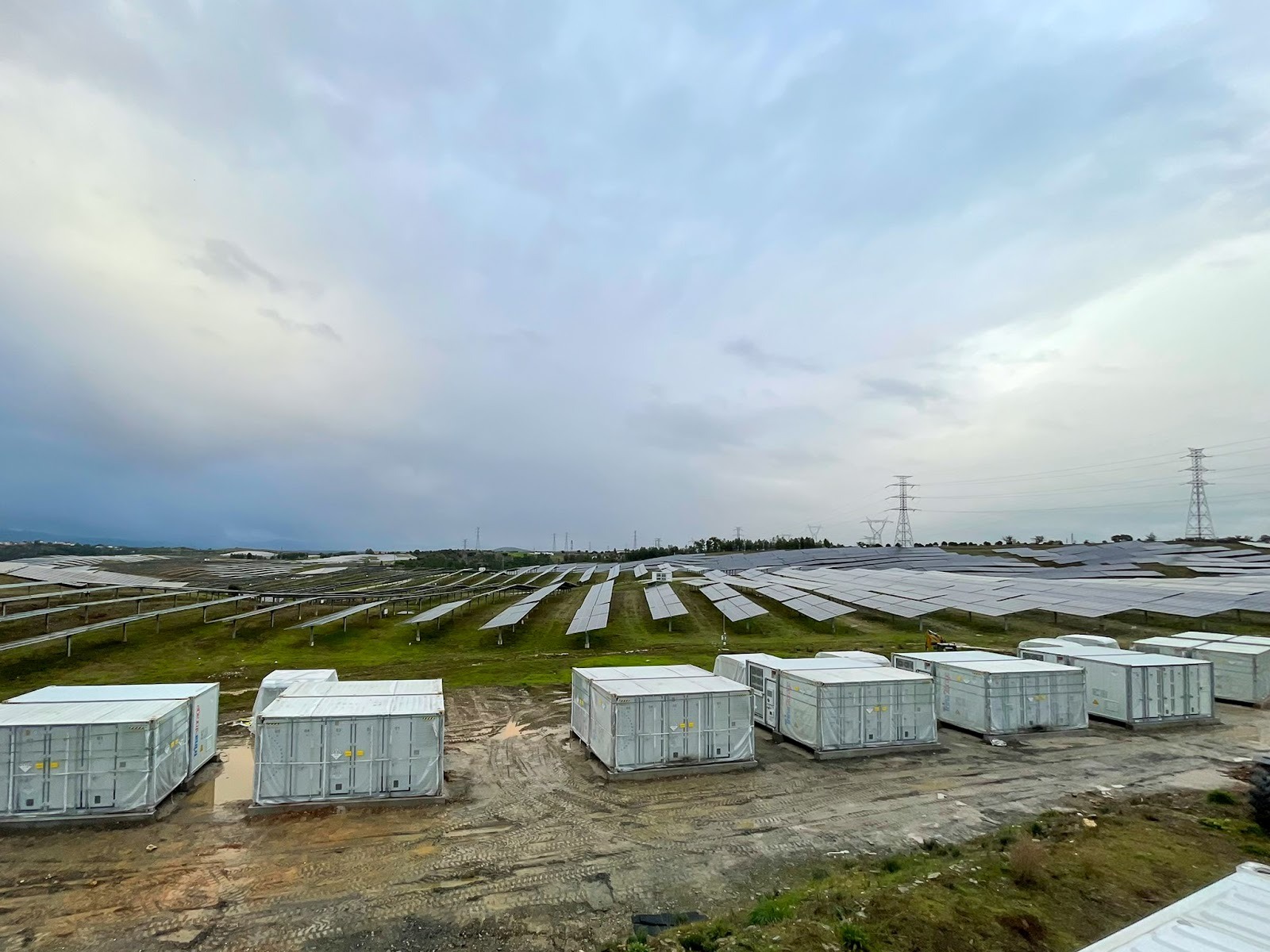
Optimising PV Plus Battery Hybrid Systems with Gridcog
Prosolia Energy has applied Gridcog to more than 200 projects and run over a thousand simulations in just a few months, giving the team unprecedented insight into asset performance. Marc notes,
“Before Gridcog, we might have completed only 10% of this work. Now we can iterate quickly, test multiple scenarios, and provide reliable financial results for investors. It’s at least ten times faster than using in-house tools.”
A flagship project in Portugal illustrates the platform’s value. By modelling the battery alongside a PV plant and including market participation in ancillary services, the team was able to optimise battery sizing by simulating real market conditions. “Gridcog allowed us to simulate the real market environment and understand financial outcomes before construction even began.”
Other projects Prosolia Energy have modelled in Gridcog include hybrid systems for large industrial clients in Spain and France, where batteries are paired with existing PV plants or used to provide flexible demand. Marc emphasises that Gridcog’s modelling helps Prosolia Energy validate scenarios with investors and stakeholders, providing both technical and financial assurance.
Why Prosolia Energy Selected Gridcog for Hybrid Energy Projects
Selecting Gridcog was about more than software - it was about philosophy, transparency, and real-world applicability. Marc explains that Gridcog’s origins in Australia were a key factor:
“In the renewable energy sector, Australia is one of the most challenging places for energy production. While the country has abundant resources, there are limited ways to transport energy, and the grid often becomes saturated. As a result, Australia advanced in grid flexibility faster than anywhere else. Gridcog was born in this environment and fully embraces this philosophy, which is very important to me.”
This approach translates directly to Iberia, where grid saturation and permitting delays create similar challenges.
Why Transparency Matters in Utility-Scale Battery and PV Modelling
He also emphasises Gridcog’s transparency and interactivity. “It’s not a black box,” he says. “We can see every calculation, every assumption, and understand exactly how the results are generated. That level of clarity is critical when we need to explain investment cases to stakeholders.” The ability to model energy flows, market prices, and battery behaviour while linking outputs directly to financial scenarios allows Prosolia Energy to explore “what-if” cases with confidence.
Support from the Gridcog team has also been crucial. “Laura and Ashok know the tool inside out,” Marc notes. “They’ve guided us through technical and financial questions, and that ongoing support has been essential in integrating Gridcog into our workflow.”
Efficiency is another defining factor. By running over a thousand simulations across 200 projects in a few months, the team has become at least ten times faster than with Excel or internal tools.
“Gridcog allows us to iterate, test multiple scenarios, and deliver reliable, bankable results for investors while maintaining full transparency,” says Marc.
Scaling Bankable PV and Battery Projects Across Iberia and Europe
For Prosolia Energy, the combination of real-world design, interactive modelling, robust support, and unmatched efficiency has made Gridcog an indispensable part of their workflow, enabling them to scale hybrid PV-plus-battery projects with confidence.
“Gridcog gives us the tools to model, de-risk, and scale projects efficiently, even in complex markets.”
Speak to the Gridcog Team here.
Prosolia Energy: https://www.prosolia.es
Marc Kleindienst LinkedIn: https://www.linkedin.com/in/marckleindienst

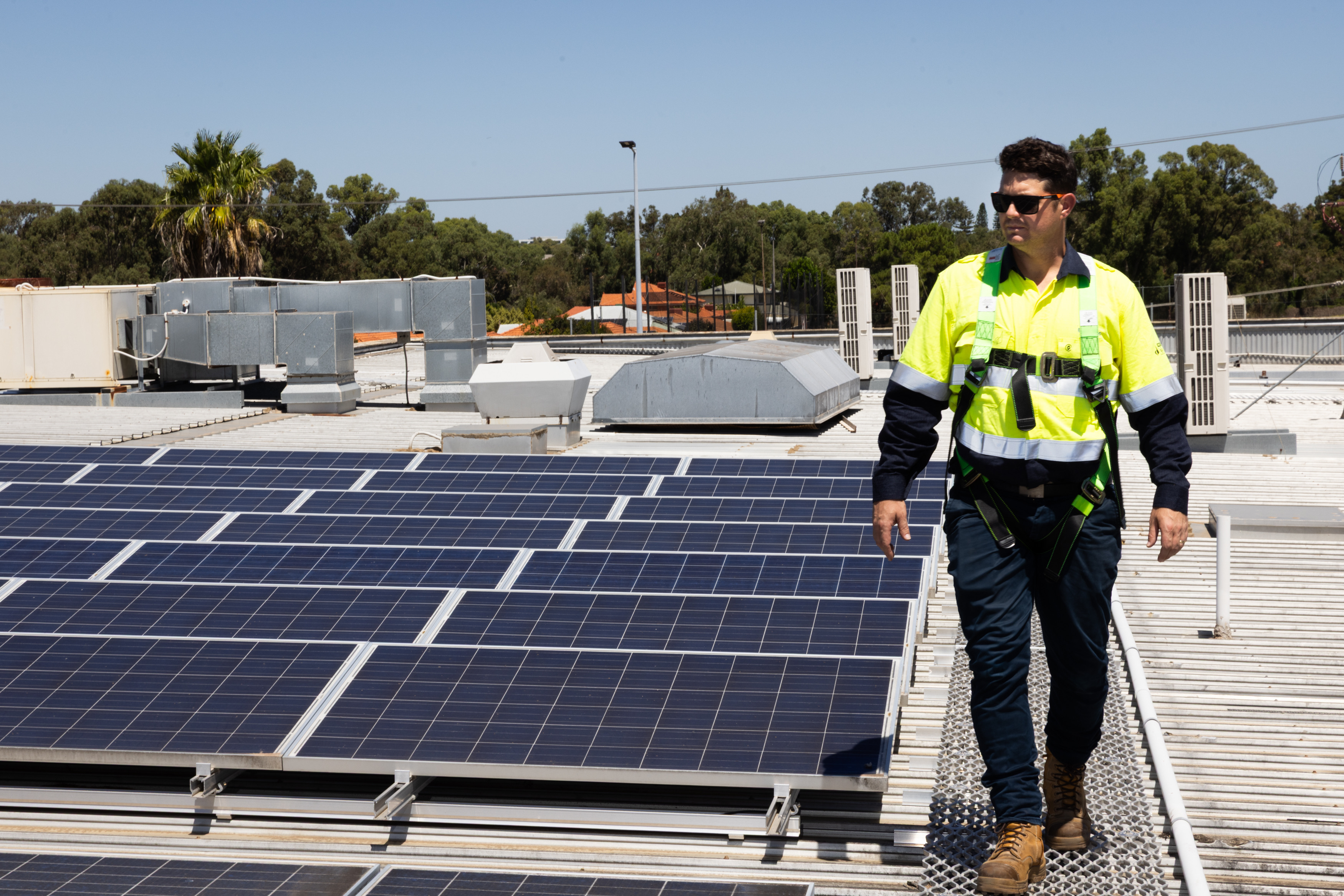
See how EnergyTec, WA's largest embedded network provider, uses Gridcog to model complex solar and BESS projects across major commercial and industrial property portfolios.
.jpg)
Europe-based meteocontrol accelerates Germany and Europe’s utility-scale renewable energy transition with bankable BESS revenue assessments.

Auckland-based Revolve Energy accelerates New Zealand’s community, commercial, and utility-scale renewable energy transition with data-driven, low-cost, low-carbon solutions.

Learn how SUNCATCHER Engineering uses Gridcog to model complex utility-scale battery and hybrid PV projects, improve bankability, and scale storage across Germany and Poland.

Explore how Carb0n is helping UK real estate portfolios reduce energy costs, increase net operating income, and future-proof assets using Gridcog’s energy project modelling software.

Explore how Net Zero Advisory helps UK public sector projects cut emissions and reduce energy costs using Gridcog for smart microgrids, solar, and battery modelling.

Discover how NewVolt is building Australia’s first electric truck charging network with Gridcog’s energy modelling platform - solving complex infrastructure, scheduling, and commercial challenges to enable the electrification of heavy freight.
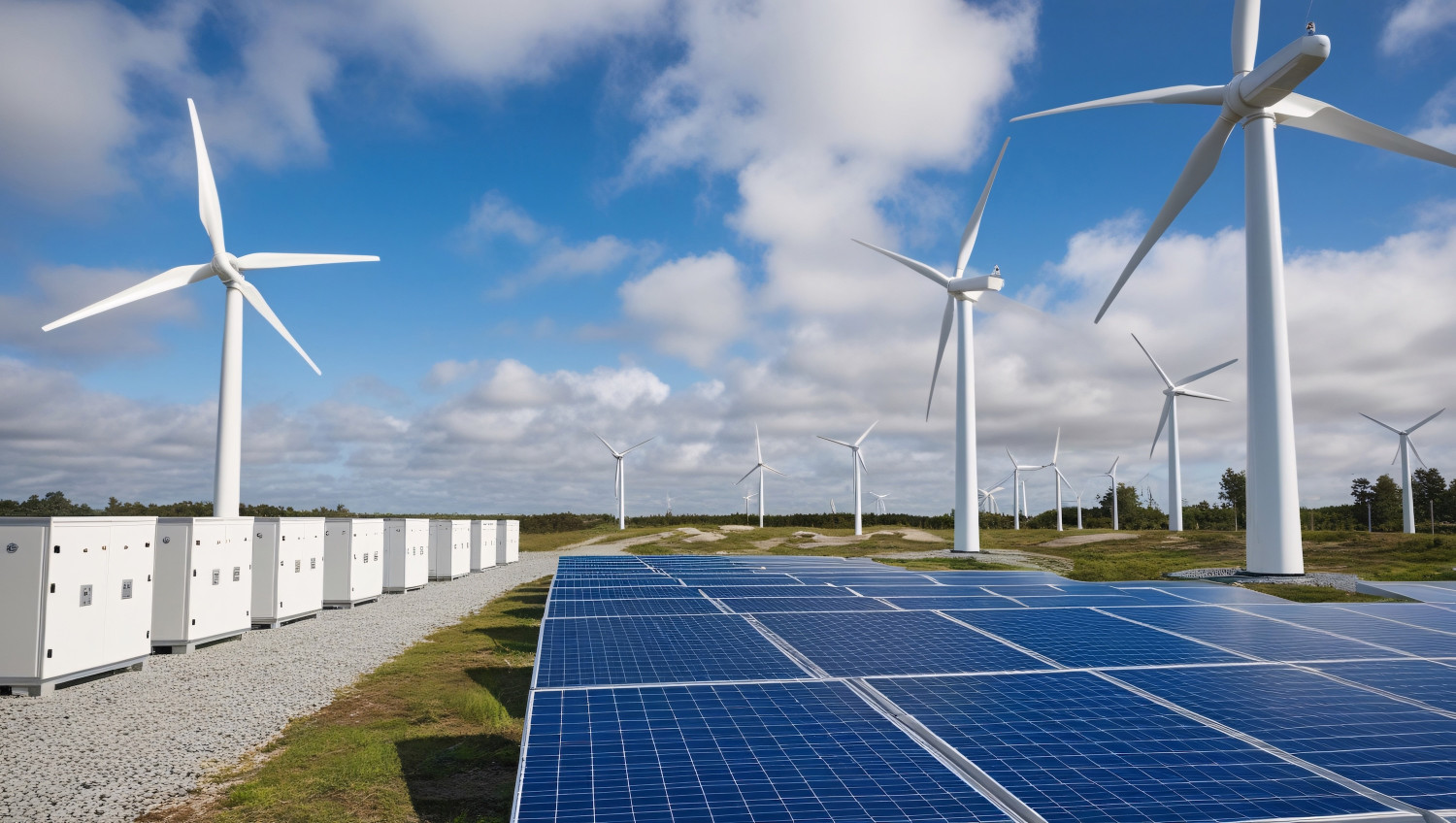
Discover how GoldenPeaks Capital is leading renewable energy investment in Europe through utility-scale solar and battery storage projects, with advanced BESS modelling powered by Gridcog.

Discover how Amboranj Power and AMPERES are empowering First Nations communities in Western Australia to take control of their energy futures through community-owned renewable projects, with the support of Gridcog’s advanced modelling.

Explore how Volta Energy Group is leveraging new technologies to deliver more efficient end-to-end renewable energy solutions, from advisory to operations.

See how Invinity Energy Systems uses Gridcog’s advanced modelling to optimise vanadium flow battery projects, driving renewable energy innovation and scalability worldwide.

Learn how Connected Energy uses Gridcog’s advanced modelling software to scale second-life EV battery storage systems, optimise revenue streams, and drive sustainable energy solutions in the UK and Europe.

Explore how Energy Pool and Gridcog are working together to accelerate grid flexibility in the Netherlands.

In 2023, Photon Energy Australia engaged Gridcog as a means to further optimise the profitability of their clean energy projects.

Shell EV Charging

Australian technology startup Gridcognition has announced a partnership with their first UK-based customer.

Indigo Power is a community-owned energy company located in Beechworth, a regional town 300 kms north-east of Melbourne.


