

How Sustain Commercial Solar is turning behind-the-meter flexibility into bankable projects with Gridcog
“We've had Gridcog for a year now, and it's more than paid for itself.”
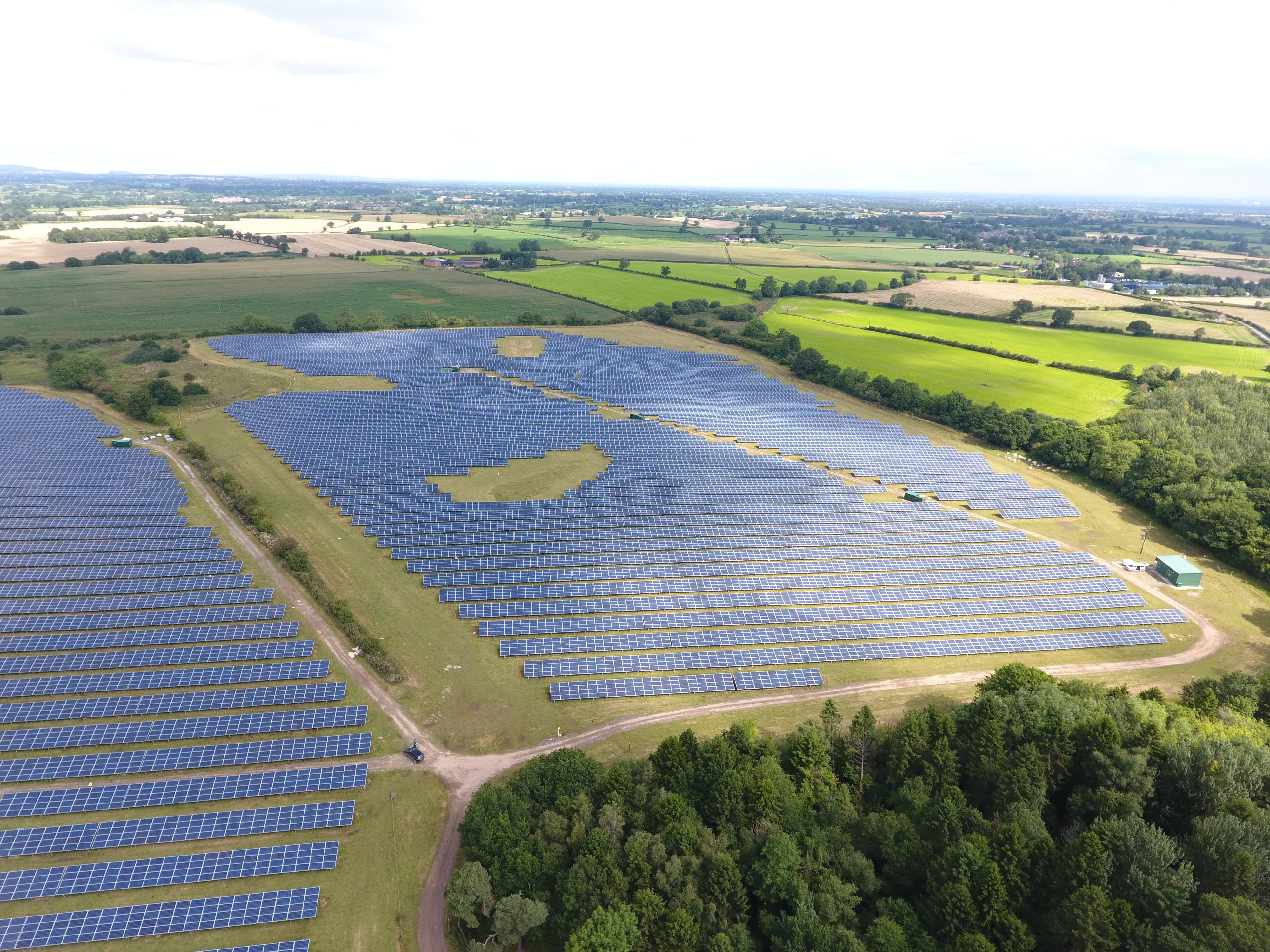
Sustain Commercial Solar has spent 15 years developing bankable renewable assets for UK businesses, and today combines commercial and industrial solar with BESS to unlock behind-the-meter (BtM) flexibility and additional benefits for its clients. Since adopting Gridcog around 12 months ago, the company has modelled roughly 400MWh of BESS across 50 sites, uses the platform for over 80% of its client proposals, and has supported circa £27 million of financed and secured project work in that time. For Nick Elbourne, COO at Sustain, that flexibility is already earning real revenue for clients today, and Gridcog has been central to proving it.
“We combine commercial and industrial solar with battery storage behind the meter, so clients get the most from self-consumption and unlock dynamic trading revenues.”
Nick Elbourne, COO, Sustain Commercial Solar
Behind-the-meter flexibility is already delivering real returns
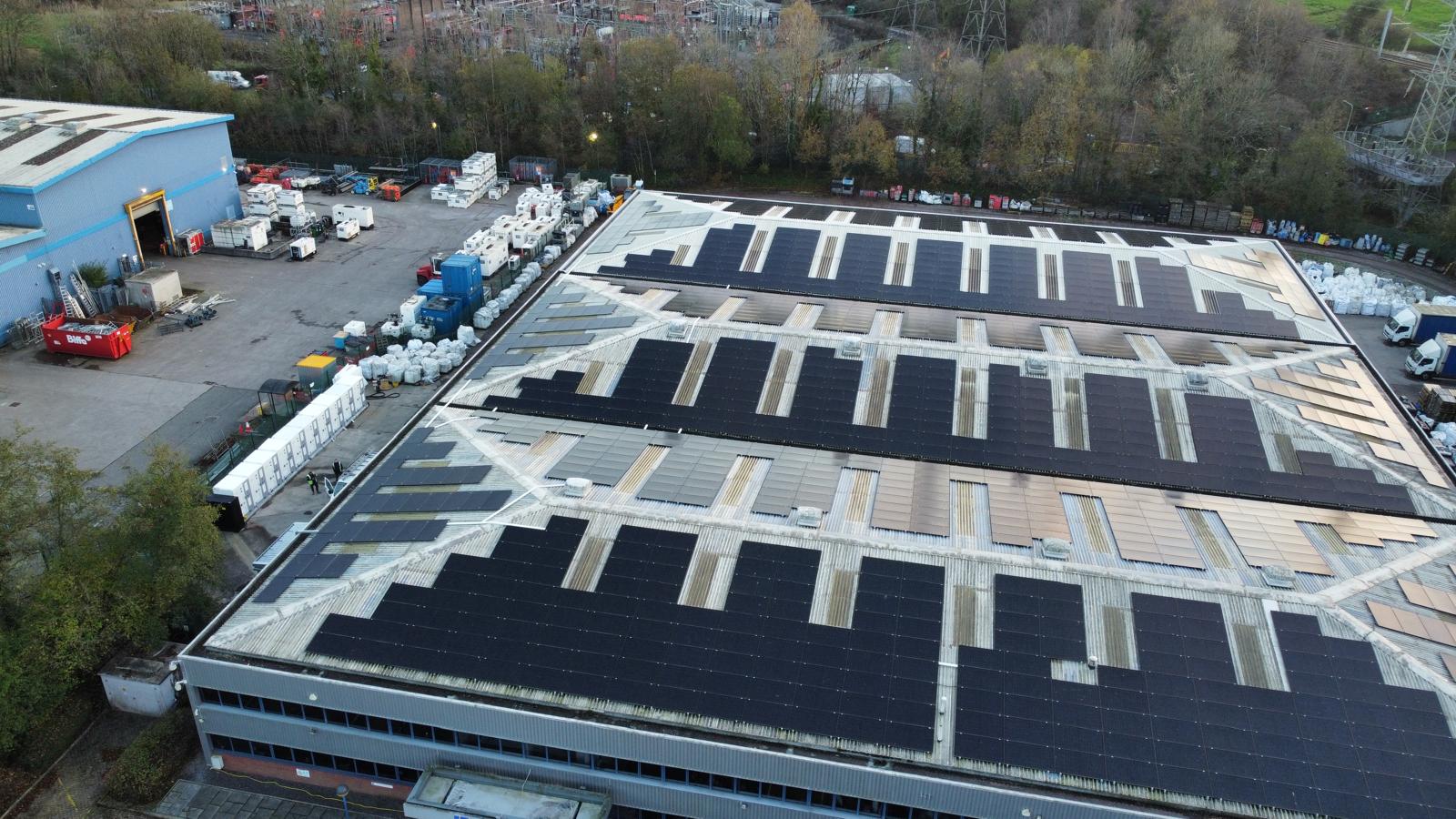
Sustain has operated in the UK renewables space since 2009 and now delivers around 4MW of PV and 12MWh of BESS a month, with capacity to scale to 6–6.5MW if their clients request it. Its projects combine solar with battery storage, and in partnership with optimisers, unlock additional revenues for clients from wholesale trading and capacity market income, in addition to savings from self-consumption. This entire revenue stack is modelled in Gridcog.
One flagship example is Linear Plastics in Wales, where Sustain installed 450kW of rooftop PV alongside a 2.5MWh BESS system.
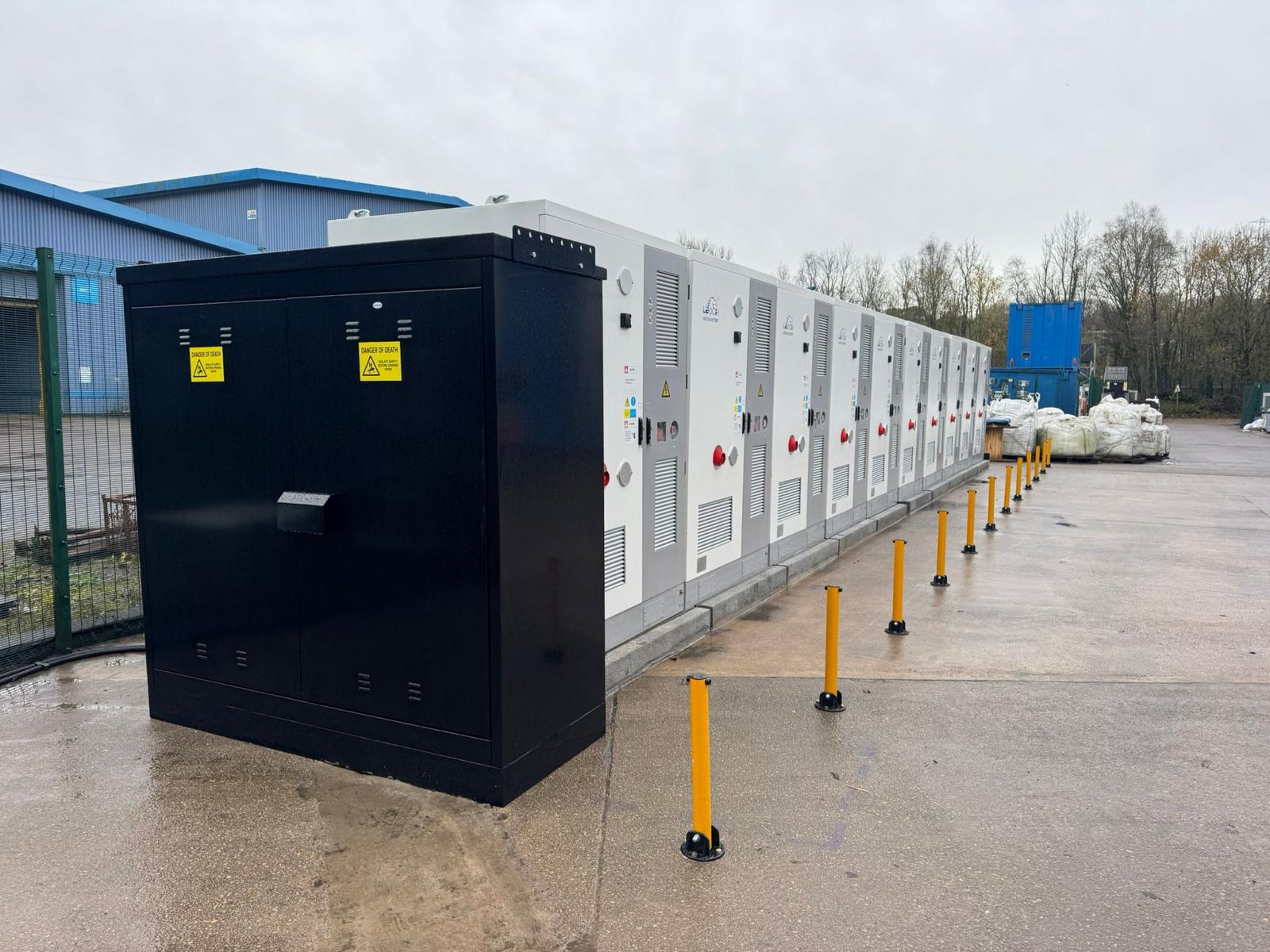
The client now benefits from frequency response revenues, wholesale procurement and capacity market income, all layered on top of better optimised energy usage and PV self-consumption. This has delivered strong returns for the client, resulting in a recent agreement to double the battery capacity.
“Funders are becoming more familiar with behind-the-meter flexibility, because most operate across Europe or worldwide, so they're used to it already.”
Why Sustain chose Gridcog? Independence, granularity and a tool they couldn't do without
Before Gridcog, Sustain built its own in-house model, based on annual projections rather than half-hourly granularity. The returns looked reasonable, but Nick and the team weren't confident the numbers reflected real asset trading patterns. They evaluated three or four alternative products before settling on Gridcog.
“We quickly zeroed in on Gridcog because it matched our knowledge base, and its functionality aligned exactly with what we needed.”
Independence was a key driver. Sustain's trading partners provide their own forecasts, and Nick wanted a tool that enabled them to compare what happened in reality vs. what they expected to happen, to keep their partners honest.
“With Gridcog we can remodel our simulations continuously, to ensure the outputs reflect what our partners are telling us.”
The real upgrade from Sustain's in-house model to Gridcog wasn't just a better number, it was trust in the numbers, and understanding the details behind them. Sustain's old in-house model needed generous safety margins to offset the uncertainty of simulating revenue annually rather than half-hourly.
“Gridcog provided a more realistic and detailed breakdown of revenue sources.”
Once the team moved onto Gridcog's granular, half-hourly modelling, those margins were no longer needed: the software uses interval-level simulations and dispatch optimisation. This produces detailed data on exactly where each revenue stream comes from for every half-hour of the project lifetime.
Using Gridcog also meant Sustain could solve problems its old model couldn't. On one complex site with a limited grid connection and high demand, the team combined diesel generation, solar, BESS and a constrained grid supply, then used Gridcog's modelling to show how the cost of that equipment is recouped by year three as the grid connection situation improves.
From modelling to money: financing real projects
Gridcog now underpins how Sustain demonstrates value to funders and clients alike. On a council-affiliated project in Stoke-on-Trent, financed in partnership with SNRG, Sustain modelled around 40 buildings, 7MW of solar and 25–30MWh of BESS, using Gridcog to hold a baseline from day one and compare returns as the project moved from agreement into delivery.
Many of Sustain's clients use asset finance or PPAs, and Gridcog is used to model the resulting cash positions and identify pinch points, so clients understand exactly what they're funding and when the money starts flowing back.
The impact on Sustain's own commercial performance has been direct.
Since engaging with Gridcog, the business estimates around £27 million of investment secured over the past 12 months across renewable rooftop assets and BESS in the UK.
BESS is the fastest-growing share of that figure, and the team has a similar-sized pipeline building for the next 12 months.
Gridcog modelling is also feeding into how Sustain wins new work with trading partners. When working with a grid supplier on control and demand response, Sustain pairs those conversations with Gridcog modelling, “so they're fully apprised of the stresses the battery's going to be under. That means we're modelling the warranties correctly, getting the right number of cycles, the right number of restacks, and the right cost applied to them. That's helped us win more work.”
The team is now applying the same approach to a residential pilot, testing co-located BtM assets under P415. If the model holds up in the field, Nick estimates the opportunity at around 100,000 homes' worth of BESS capacity in the north-east of England alone.
Support that keeps pace with a fast-moving market
Sustain's modelling team uses Gridcog's chat support daily for day-to-day questions, backed by monthly check-ins with the Gridcog team to discuss usage and improvements. Nick also takes part in periodic customer advisory workshops with other Gridcog customers to compare notes on the product roadmap.
“That constant evolution matters, because the tech is changing quickly. Making sure we keep pace, and that Gridcog keeps pace too, is important.”
Looking ahead
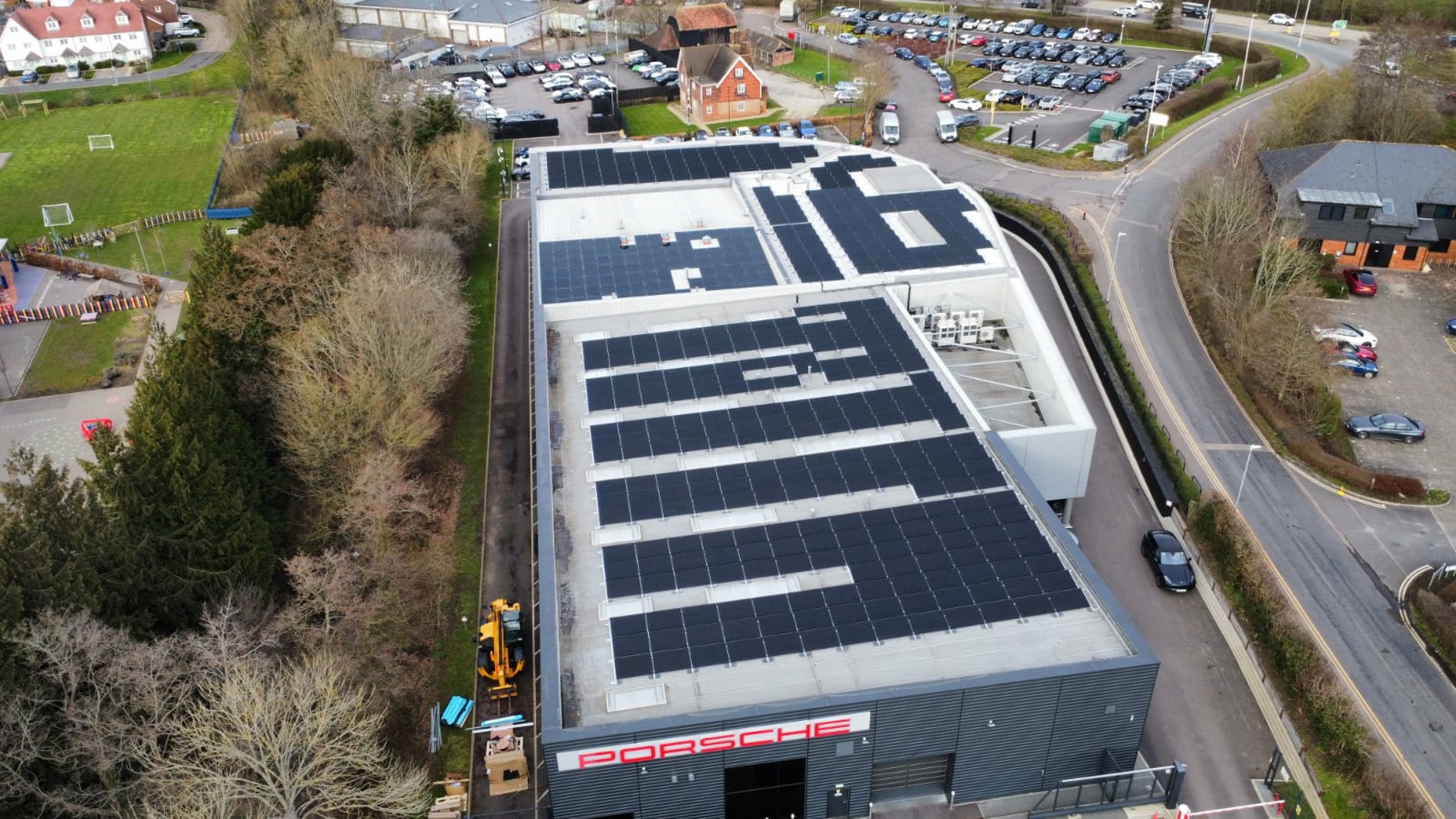
Sustain is scaling steadily. With its technical, design and sales teams fully in-house, it can grow its work supporting the roll-out of renewables and battery solutions. One exciting area is its work with the NHS and schools: as CBRE's preferred solar supplier, Sustain is seeing this open up a lot of opportunities for behind-the-meter solutions.
“It's a product we like working with and will continue to work with. It serves exactly what we need it for, and that's all you can ask for.”
Genna Boyle, CCO and Head of EMEA at Gridcog, said:
“It's been a pleasure working with Sustain over the last year and great to see them turn behind-the-meter flexibility into real, financeable projects. Seeing £27 million secured off the back of that work shows exactly what's possible when independence and detail go hand in hand. We're looking forward to continuing to support Sustain as they scale.”
-
Sustain Commercial Solar: https://www.sustaincommercialsolar.com/
Nick Elbourne (LinkedIn): https://www.linkedin.com/in/nick-e-30225550/
Ready to make your behind-the-meter projects bankable?
Gridcog models every revenue stream for every half-hour of a project’s life, so funders and clients can follow each step from assumption to return. If you’re developing commercial and industrial solar and BESS, get in touch with the Gridcog team.
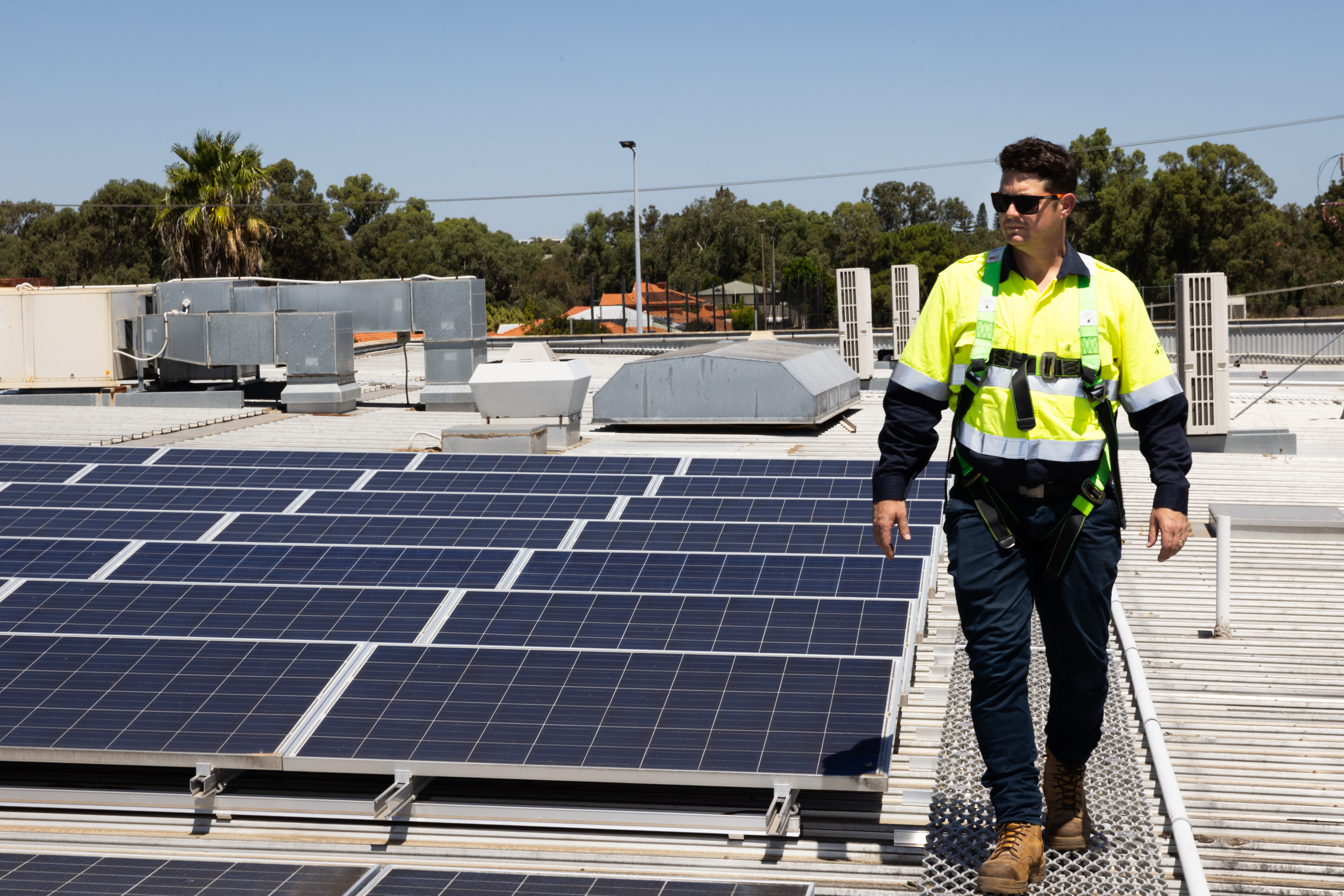
See how EnergyTec, WA's largest embedded network provider, uses Gridcog to model complex solar and BESS projects across major commercial and industrial property portfolios.

Europe-based meteocontrol accelerates Germany and Europe’s utility-scale renewable energy transition with bankable BESS revenue assessments.

Auckland-based Revolve Energy accelerates New Zealand’s community, commercial, and utility-scale renewable energy transition with data-driven, low-cost, low-carbon solutions.

Learn how SUNCATCHER Engineering uses Gridcog to model complex utility-scale battery and hybrid PV projects, improve bankability, and scale storage across Germany and Poland.

Learn how Prosolia Energy accelerates utility-scale PV and battery modelling with Gridcog, running thousands of simulations and de-risking investments.

Explore how Carb0n is helping UK real estate portfolios reduce energy costs, increase net operating income, and future-proof assets using Gridcog’s energy project modelling software.
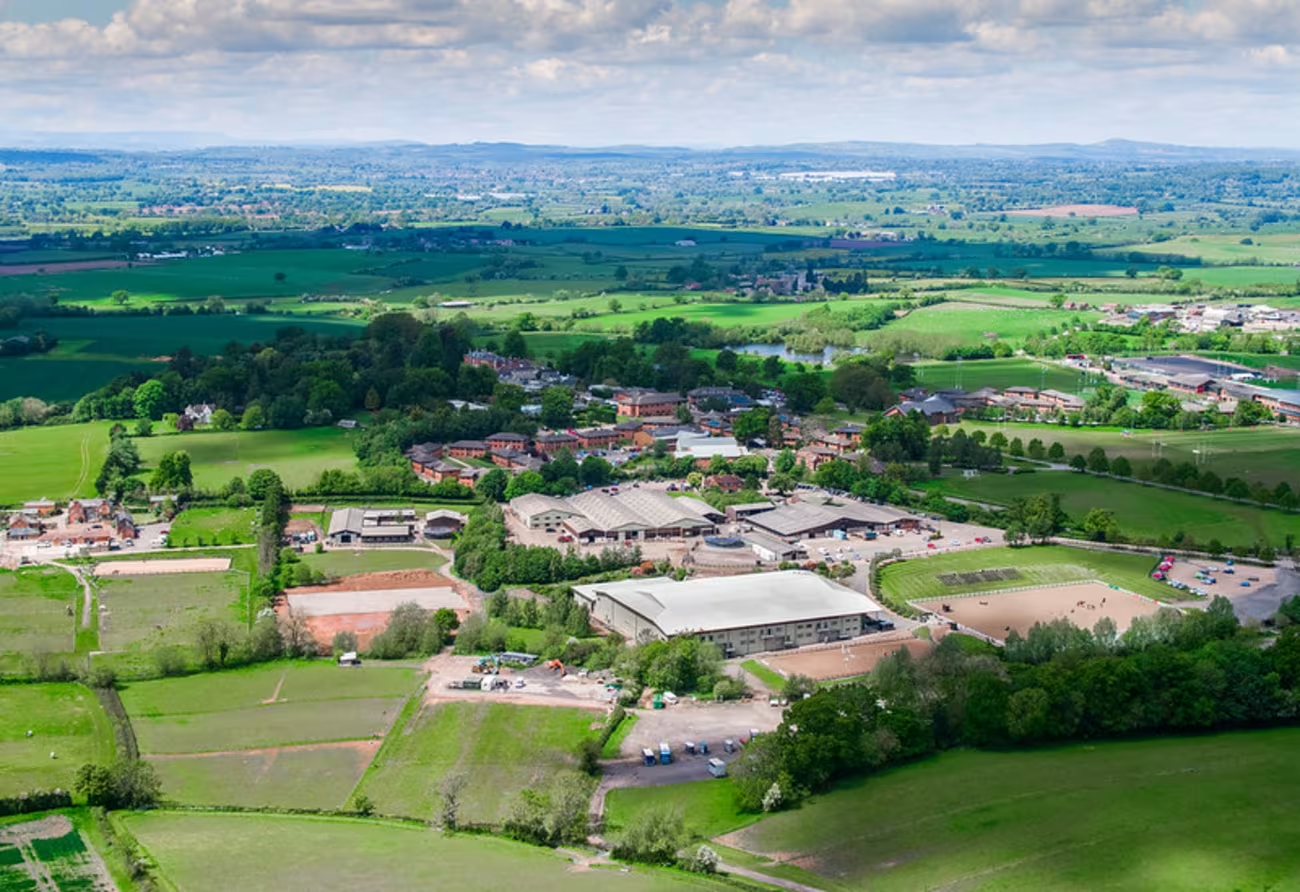
Explore how Net Zero Advisory helps UK public sector projects cut emissions and reduce energy costs using Gridcog for smart microgrids, solar, and battery modelling.

Discover how NewVolt is building Australia’s first electric truck charging network with Gridcog’s energy modelling platform - solving complex infrastructure, scheduling, and commercial challenges to enable the electrification of heavy freight.

Discover how GoldenPeaks Capital is leading renewable energy investment in Europe through utility-scale solar and battery storage projects, with advanced BESS modelling powered by Gridcog.

Discover how Amboranj Power and AMPERES are empowering First Nations communities in Western Australia to take control of their energy futures through community-owned renewable projects, with the support of Gridcog’s advanced modelling.

Explore how Volta Energy Group is leveraging new technologies to deliver more efficient end-to-end renewable energy solutions, from advisory to operations.

See how Invinity Energy Systems uses Gridcog’s advanced modelling to optimise vanadium flow battery projects, driving renewable energy innovation and scalability worldwide.

Learn how Connected Energy uses Gridcog’s advanced modelling software to scale second-life EV battery storage systems, optimise revenue streams, and drive sustainable energy solutions in the UK and Europe.

Explore how Energy Pool and Gridcog are working together to accelerate grid flexibility in the Netherlands.

In 2023, Photon Energy Australia engaged Gridcog as a means to further optimise the profitability of their clean energy projects.

Shell EV Charging

Australian technology startup Gridcognition has announced a partnership with their first UK-based customer.

Indigo Power is a community-owned energy company located in Beechworth, a regional town 300 kms north-east of Melbourne.


